✨ Color Analysis 101
What Is Color Analysis?
The system everyone's talking about, explained in plain English.
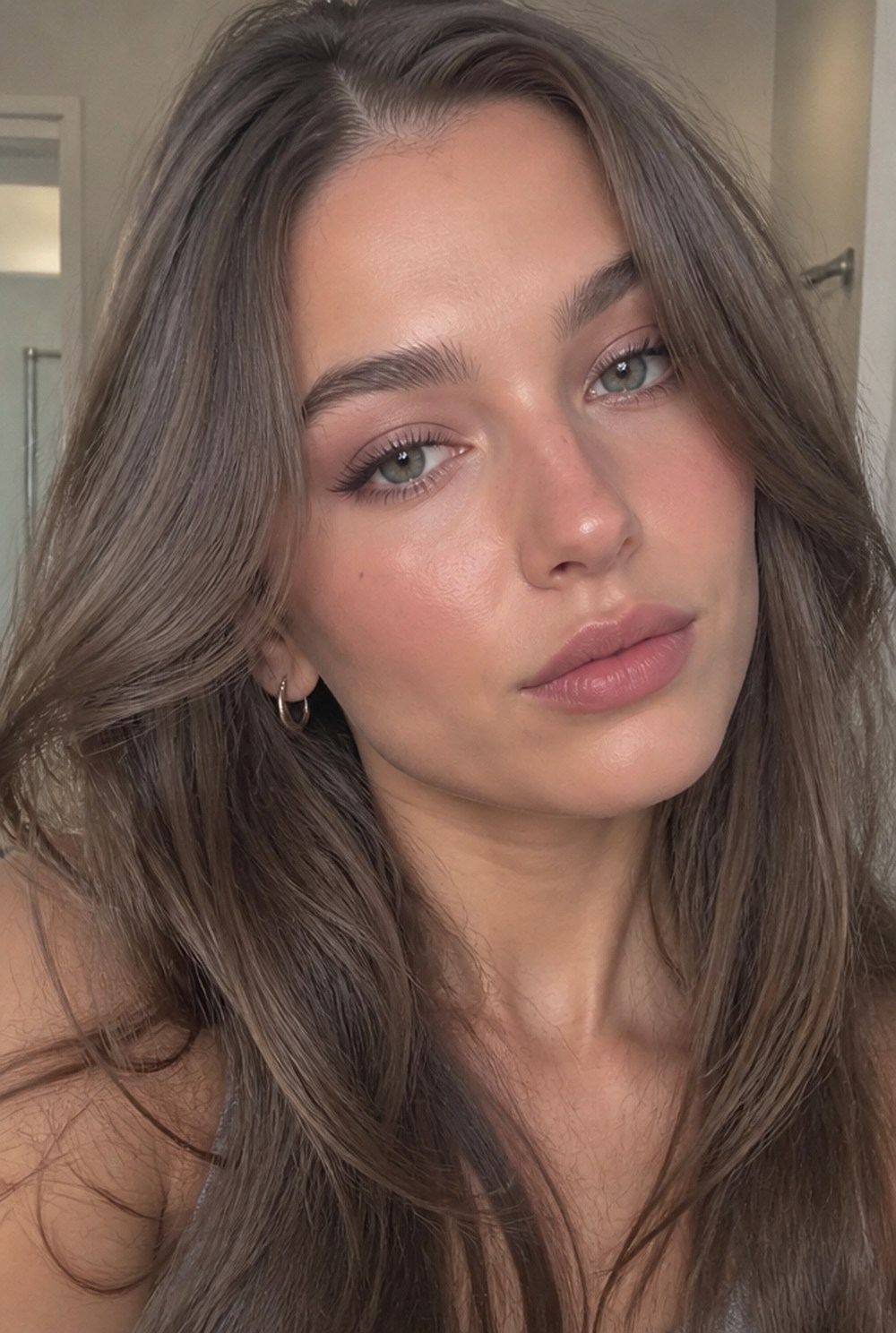
Color analysis sorts your natural coloring (skin undertone, hair, eyes) into a season. Each season has a palette of colors that make you look brighter and more pulled together. The 4 main seasons are Spring, Summer, Autumn, Winter. Most people fit a sub-season (12 total) more precisely. You can find yours in 30 seconds with the Glowprint app.
The simple version
Color analysis is a system that takes your natural coloring and tells you which color palette flatters you most.
That's it. No mysticism, no quiz-magazine vibes. It's pattern matching.
Wear the right colors and you look brighter, more rested, more pulled together.
Wear the wrong colors and you look tired or washed out. Same outfit, same makeup, same face — just a different swatch under your chin makes the difference visible.
Where it came from

Color analysis started getting popular in the 1980s with Carole Jackson's book Color Me Beautiful. The idea was sorted by 4 seasons (Spring/Summer/Autumn/Winter), and consultants would drape colored fabric under your face to find your match.
In the 90s and 2000s, image consultants like Sci\ART refined the system into 12 sub-seasons. The new system uses 3 sliders: warm vs cool, light vs deep, bright vs muted. Each main season splits into 3 sub-seasons.
It went viral again in 2024 thanks to Korean color analysis salons, which can charge $200-$500 for a 90-minute consultation.
The 3 things color analysis actually measures
Every color analysis system uses these three axes:
Undertone
Warm, cool, or neutral. Yellow/peach/golden = warm. Pink/red/blue = cool. Both = neutral. Skin, hair, and eyes all have undertones.
Value
Light or deep. Are your features high contrast (dark hair, light skin) or low contrast (medium tones blend together)?
Chroma
Bright or muted. Bright coloring has clear, vivid features. Muted coloring is softer, more blended.
The combination of those three points puts you somewhere on the color season map. From there, you get a palette of ~30 colors that flatter you and a list of colors to avoid.
The 4 seasons at a glance

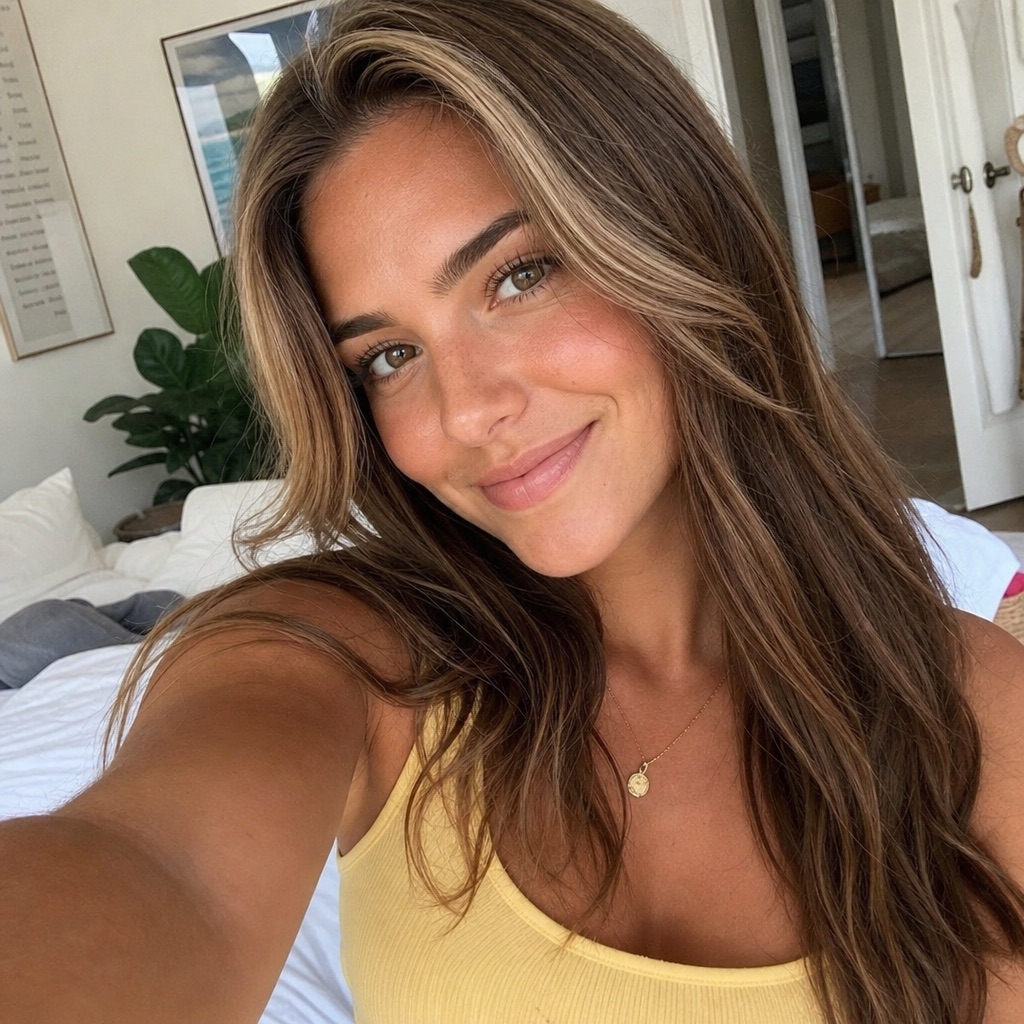


Each main season splits into 3 sub-seasons:
- Spring: Light Spring, True Spring, Bright Spring
- Summer: Light Summer, True Summer, Soft Summer
- Autumn: Soft Autumn, True Autumn, Deep Autumn
- Winter: Bright Winter, True Winter, Deep Winter

Does color analysis actually work?
The science is mixed but the visible difference is real. Photographers, makeup artists, and stylists have been using color theory for decades because the result on camera is obvious.
What the system doesn't capture: personal style, skin tone changes with age, makeup adjustments. Treat your season as a strong default, not a hard rule.
Wear these
- quick wins on first try
- cheap or free to test yourself
- narrows your wardrobe and makeup choices
- photographs better in flattering colors
Skip these
- not a personality test
- won't work as well in low light or filters
- fails on extreme makeup or hair color changes
- the system has cultural bias toward Western coloring
How to find your season
Three ways, ranked by speed and accuracy:
- The 30-second face scan. Open the Glowprint app, take a selfie. The app reads your skin undertone, hair, and eye color and places you in a sub-season. Free.
- The 5-minute home test. Use 4 simple tests: vein color, jewelry preference, white vs cream draping, and how you tan. Full guide here.
- The in-person consultation. $150-$500. Most accurate, but overkill for most people.
Who color analysis helps most (and how to start)
It's useful for almost anyone, but a few people feel the difference fast.
Who gets the biggest win
If your closet is full of clothes that looked great in the store and wrong at home, this is for you. Color analysis turns that hit-or-miss shopping into a short, reliable list.
Where to begin
Start with undertone, then depth and contrast, to land your season. A quick at-home test gets you close; Glowprint reads it from a selfie if you want the exact answer without the guesswork.
Find your season's palette
Each season has its own set of shades that flatter you, and splits into 3 sub-seasons if you want to go deeper. Here are the four to start from.
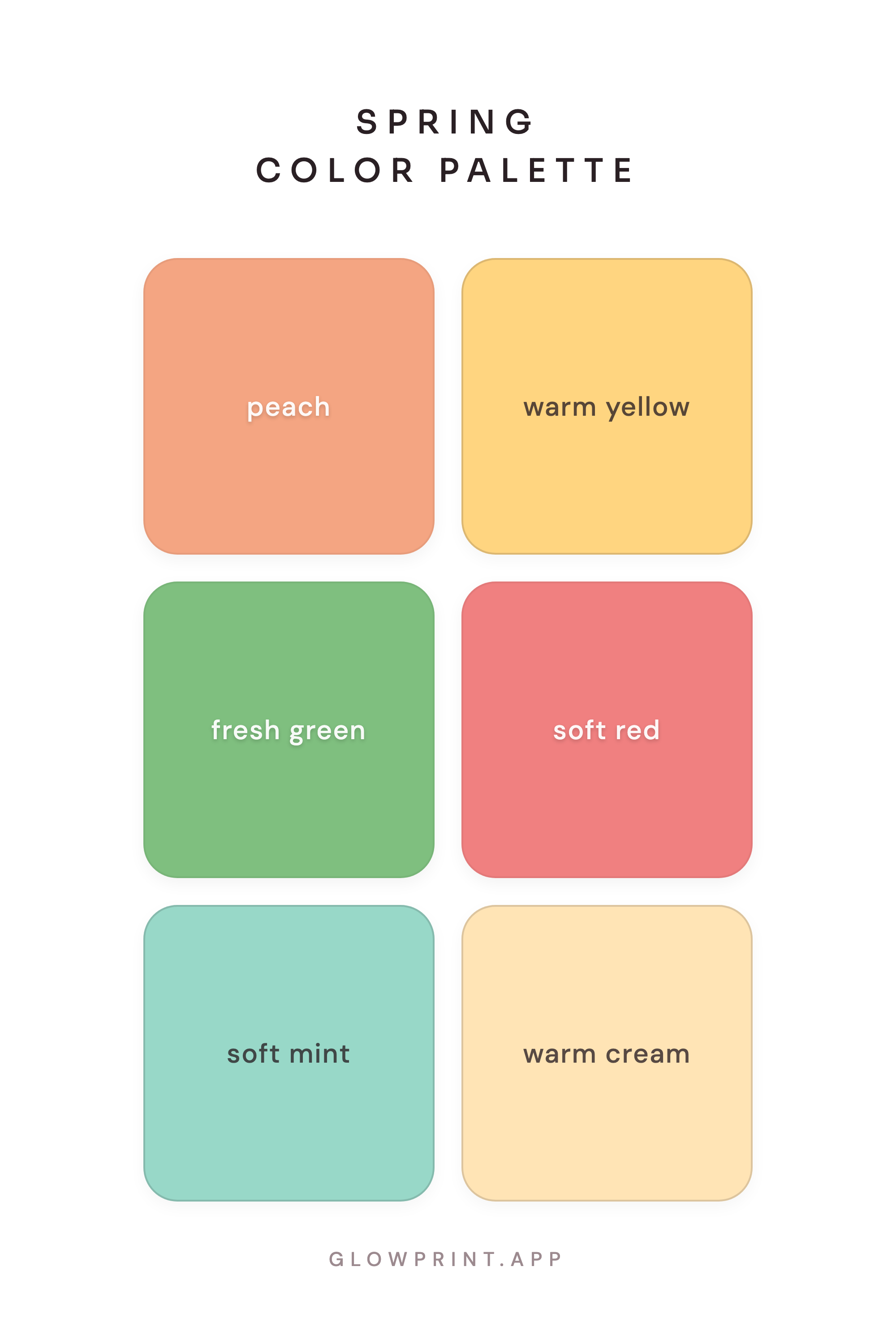
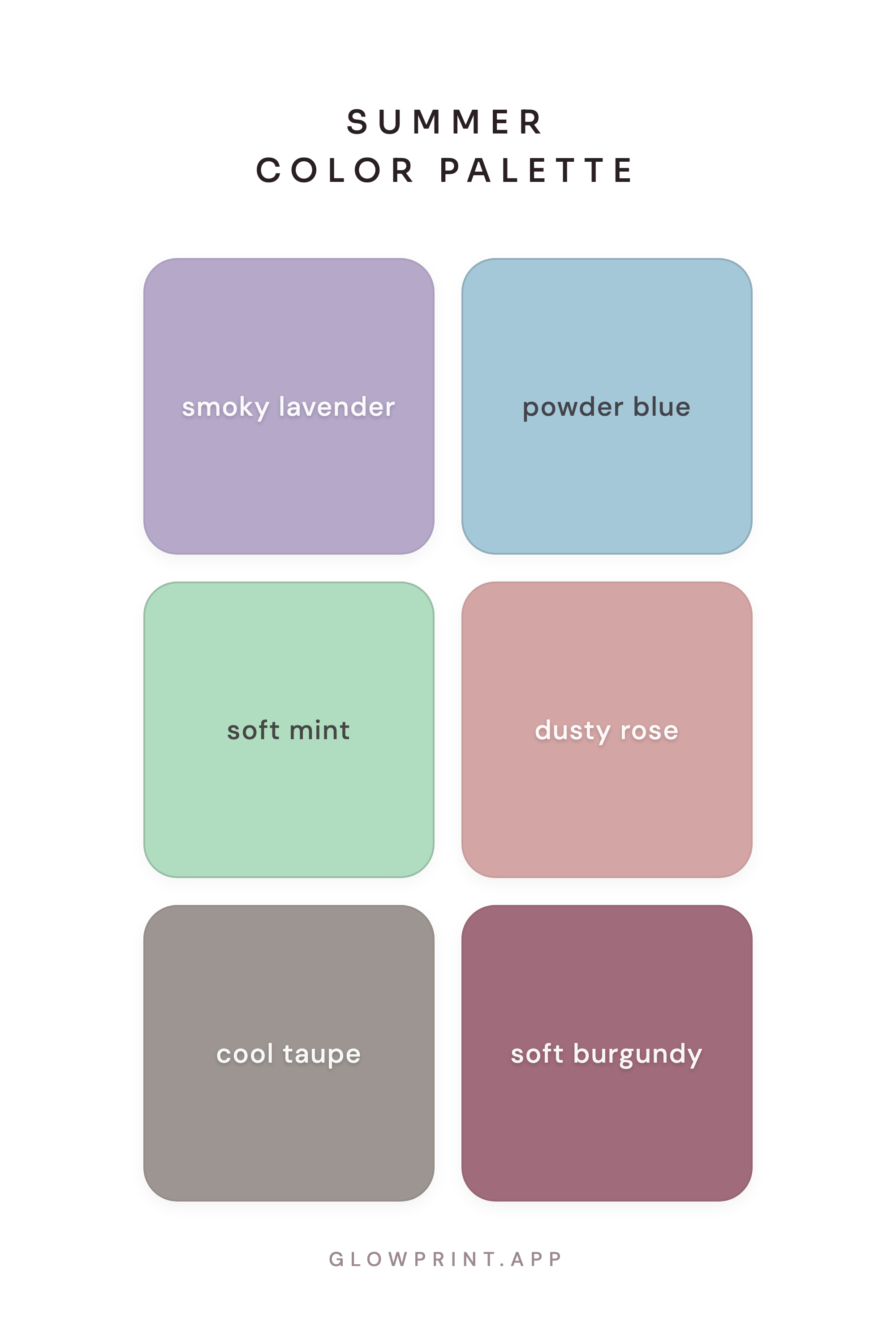
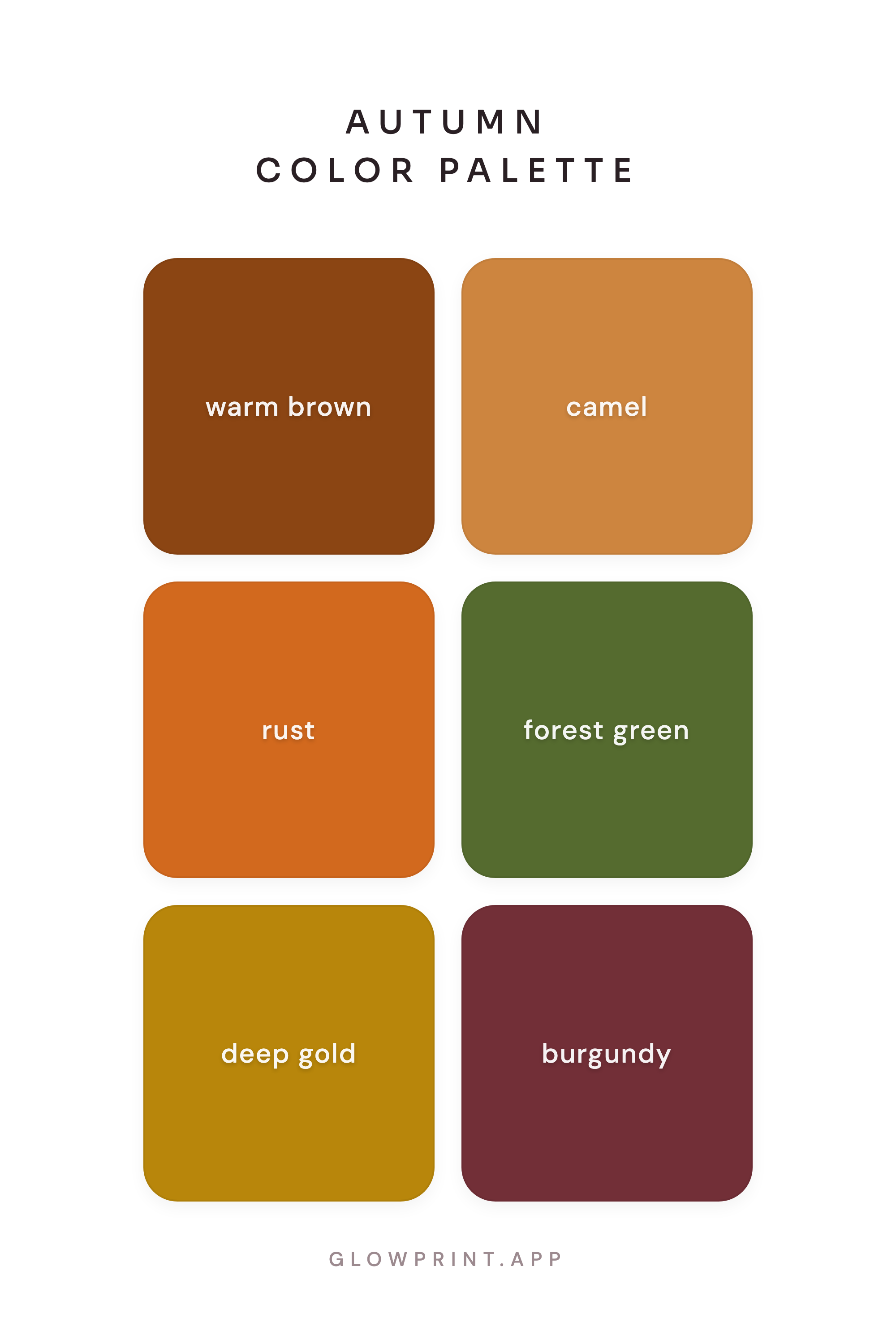
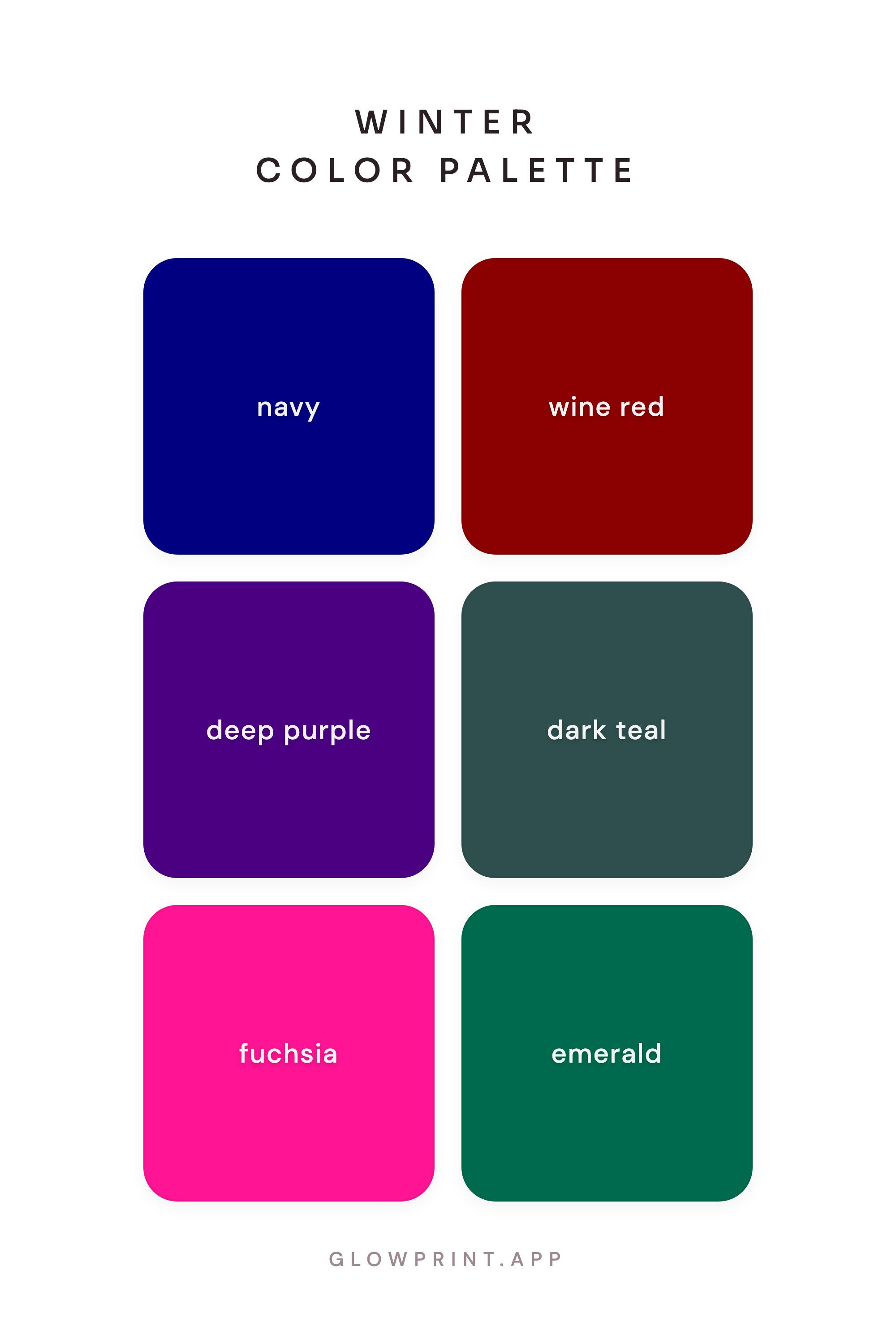
Not sure which one is yours? Glowprint reads it from a single selfie, along with your palette and the colors to skip.
Frequently asked questions
Quick answers to what people ask most. Want a definitive read on your own coloring? The free face scan gives you your season, palette, and the colors to skip in 30 seconds.
What is color analysis in simple terms?
It's figuring out which colors make you look healthy and awake based on your skin's undertone, depth, and contrast. The result is a palette of shades that flatter you and a few to avoid.
How does color analysis work?
An analyst (or an app) reads three things: undertone (warm/cool), value (light/deep), and chroma (bright/muted). Those place you in a season and sub-season with a matching color palette.
Is color analysis worth it?
If you're tired of buying clothes and makeup that look off, yes. Knowing your palette saves money and decision time because everything you own starts to work together.
Do I have to pay for a professional analysis?
Not anymore. A pro session is thorough but pricey. Glowprint runs the same read from a selfie and gives you your season, palette, and colors to avoid in about 30 seconds.
Get the precise answer in 30 seconds
This guide gets you close. Glowprint scans your actual face and gives you the verified result: color season, face shape, undertone, celebrity match, makeup picks, and a full glow up plan.
Try Glowprint Free