✨ Trend Report
Why Color Analysis Went Viral on TikTok
Where it came from. Why Gen Z is obsessed. And is it real?
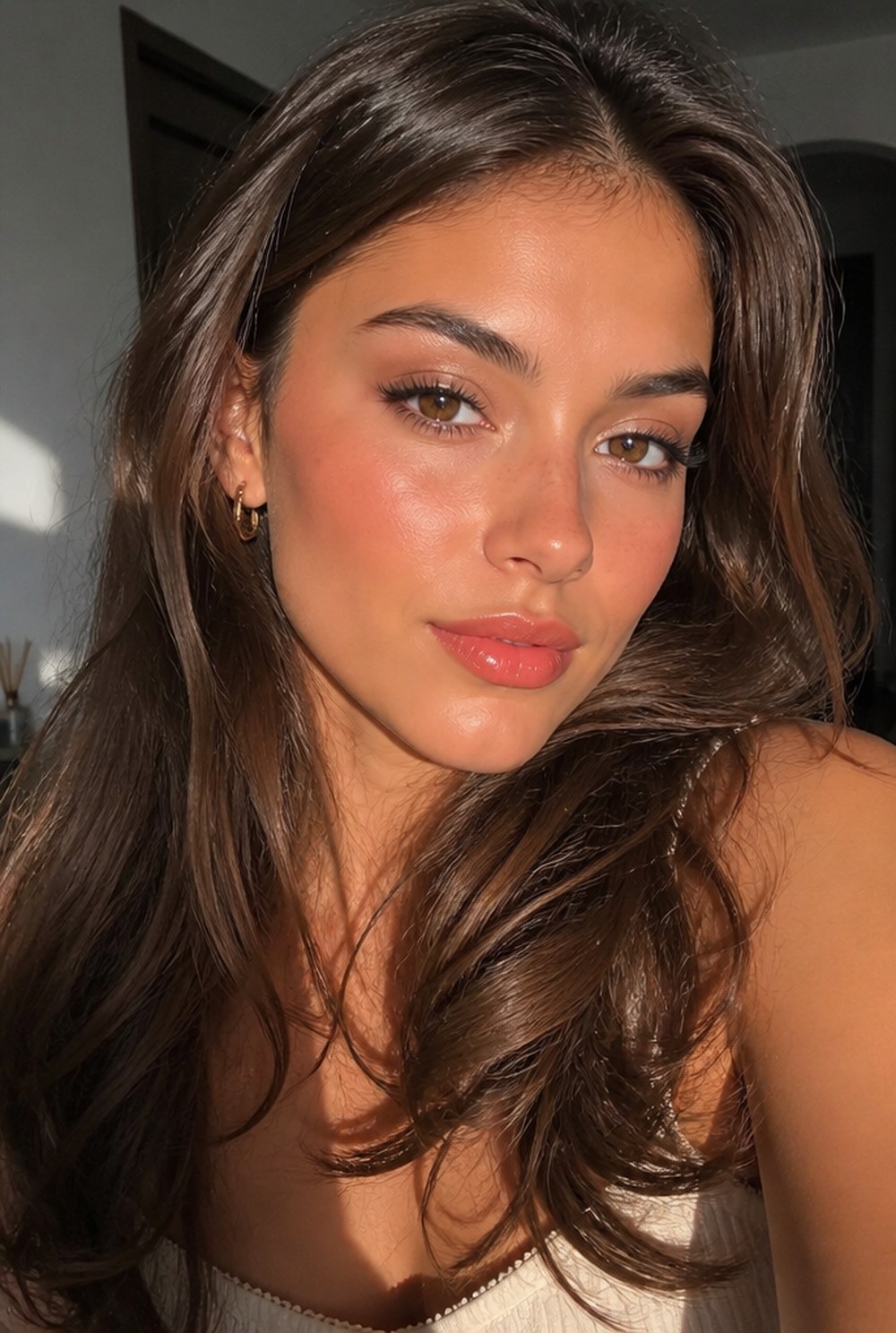
Color analysis is not new. It started in Korea over 40 years ago. TikTok found it in 2023 and made it huge. Gen Z loves it because it gives a real answer to "what looks good on me" instead of guessing. The science is real, but some of the stricter rules on TikTok are made up.
Where it started
Color analysis is older than you think. The first version came out in 1928 in a book called The Art of Color.
The 4-season system most people know (Spring, Summer, Autumn, Winter) was made famous by a 1980 book called Color Me Beautiful. It sold over 25 million copies.
Korea took it further in the 2000s and built the 12-sub-season system we use today. It's standard in Korean beauty schools and a normal service at most Seoul salons.
How TikTok found it
Around 2022 to 2023, Korean color analysis videos started showing up on TikTok. People watching would see a Korean salon do a 30-minute color drape session and get told their season.
The videos hit because:
- The before/after was visible (the right colors really do make people glow)
- Western viewers had never seen this before
- It was a real answer, not vague advice
- Gen Z loves identity content (think MBTI, astrology, enneagram). Color analysis fit right in.
Why Gen Z latched on
Three reasons:
It's specific
Most beauty advice is "experiment and find what works." Color analysis says "you are this. These are your colors. Done." That's a relief.
It saves money
If you know your colors, you stop buying lipsticks that will sit in a drawer. You stop returning shirts. Your wardrobe gets tighter and works harder.
It's a personality test
Gen Z is the personality-test generation. Color analysis is part of the same family.
Is it real science?
The basics are real. Skin has an undertone (warm or cool). Some colors reflect light back onto your face in ways that flatter you and others don't. That's optics, not magic.
What's not real:
- The idea that you can ONLY wear your season's colors. You can wear anything. Some just look better.
- Strict rules like "if you wear black as a Soft Summer you'll look terrible." Sometimes you'll look fine.
- The claim that your color season never changes. Hair color changes things. Aging changes things.
Treat color analysis like a strong starting point, not a law.
The parts to take with a grain of salt
Some color analysis communities online get intense. Watch out for:
- People telling you you're "wrong" about your own season
- Gatekeeping certain seasons as "rare and special"
- Videos that try to sell you a $400 in-person reading
- Influencers who claim to know your season from a single Instagram photo
You don't need a $400 reading. You need a few minutes and good light, or the Glowprint app that does it from a selfie.
Want to find yours?
Three ways:
- Read how to find your color season at home
- Take the 8-question quiz
- Scan your face on Glowprint
The app version is the most accurate because it reads pixel-level color values. But all three work as starting points.
Is color analysis here to stay?
Trends fade, but this one has roots that suggest it sticks around in some form.
Why it has staying power
It solves a real, boring problem: knowing what to buy. Anything that saves money and decision fatigue tends to outlast the hype cycle, even after the draping videos slow down.
What's changing about it
The shift is from $300 studio sessions to instant, at-home reads. Apps now do the analysis from a selfie, which is what's pushing color analysis from a niche service to something anyone can check in a minute.
Find your season's palette
Each season has its own set of shades that flatter you, and splits into 3 sub-seasons if you want to go deeper. Here are the four to start from.
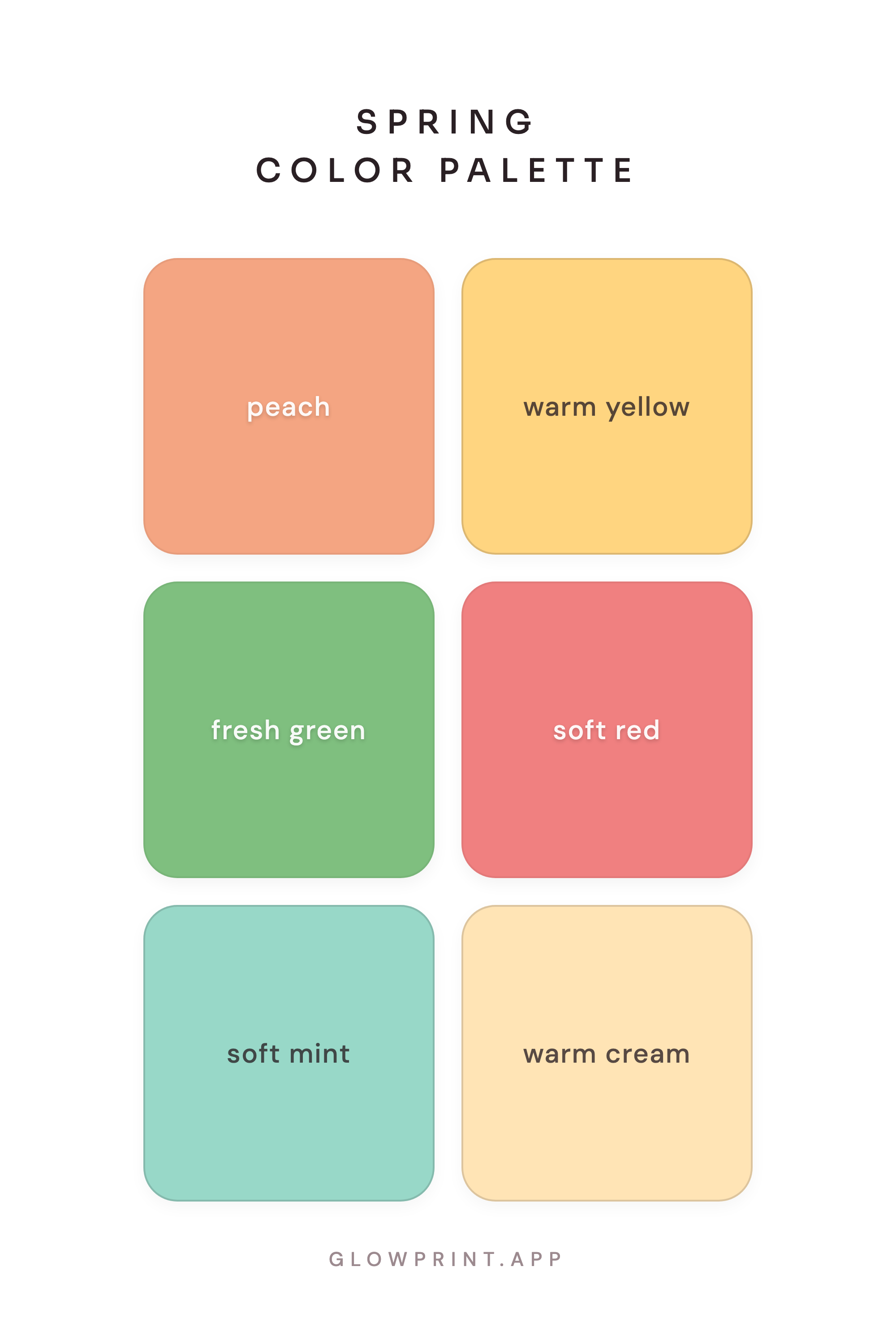
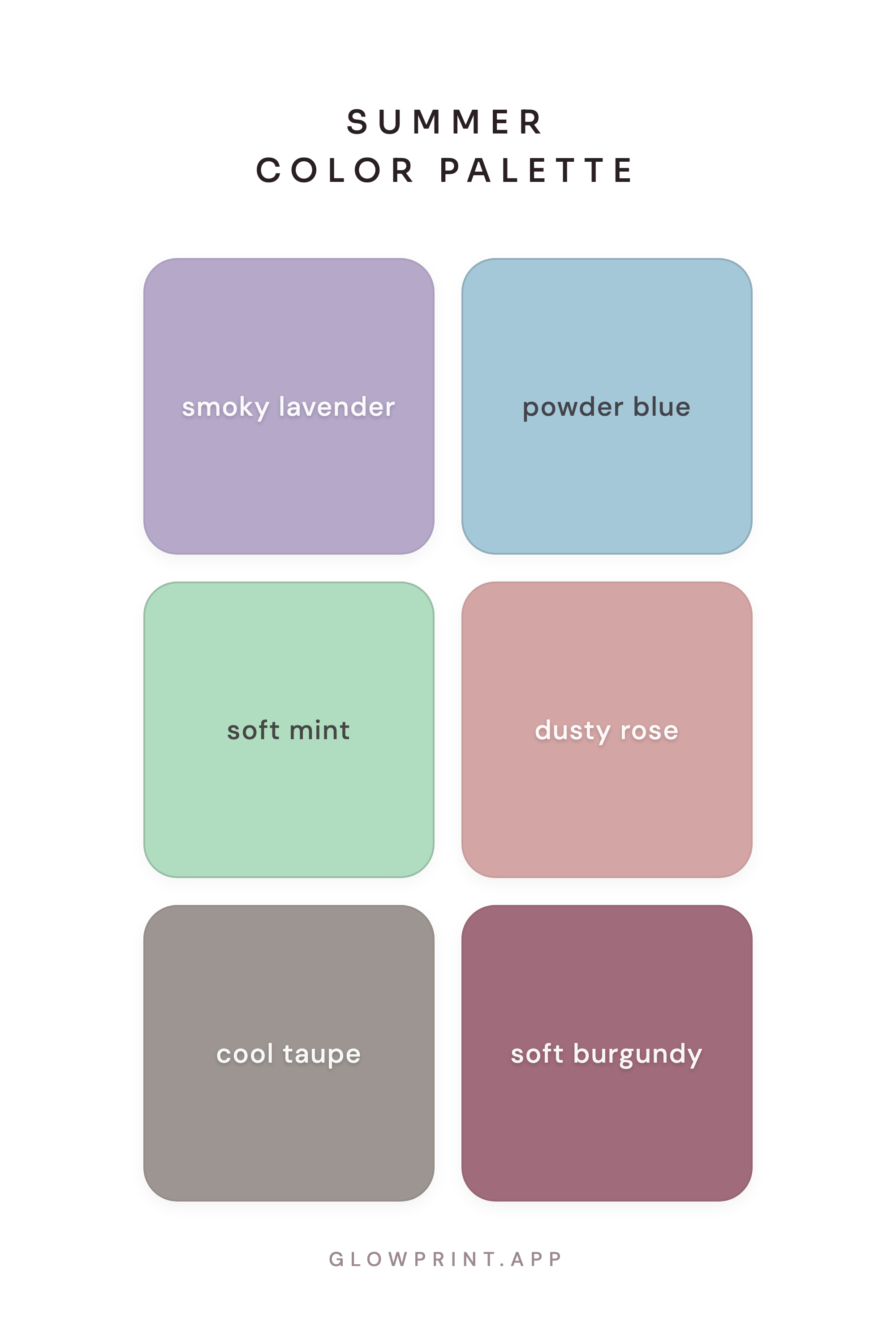
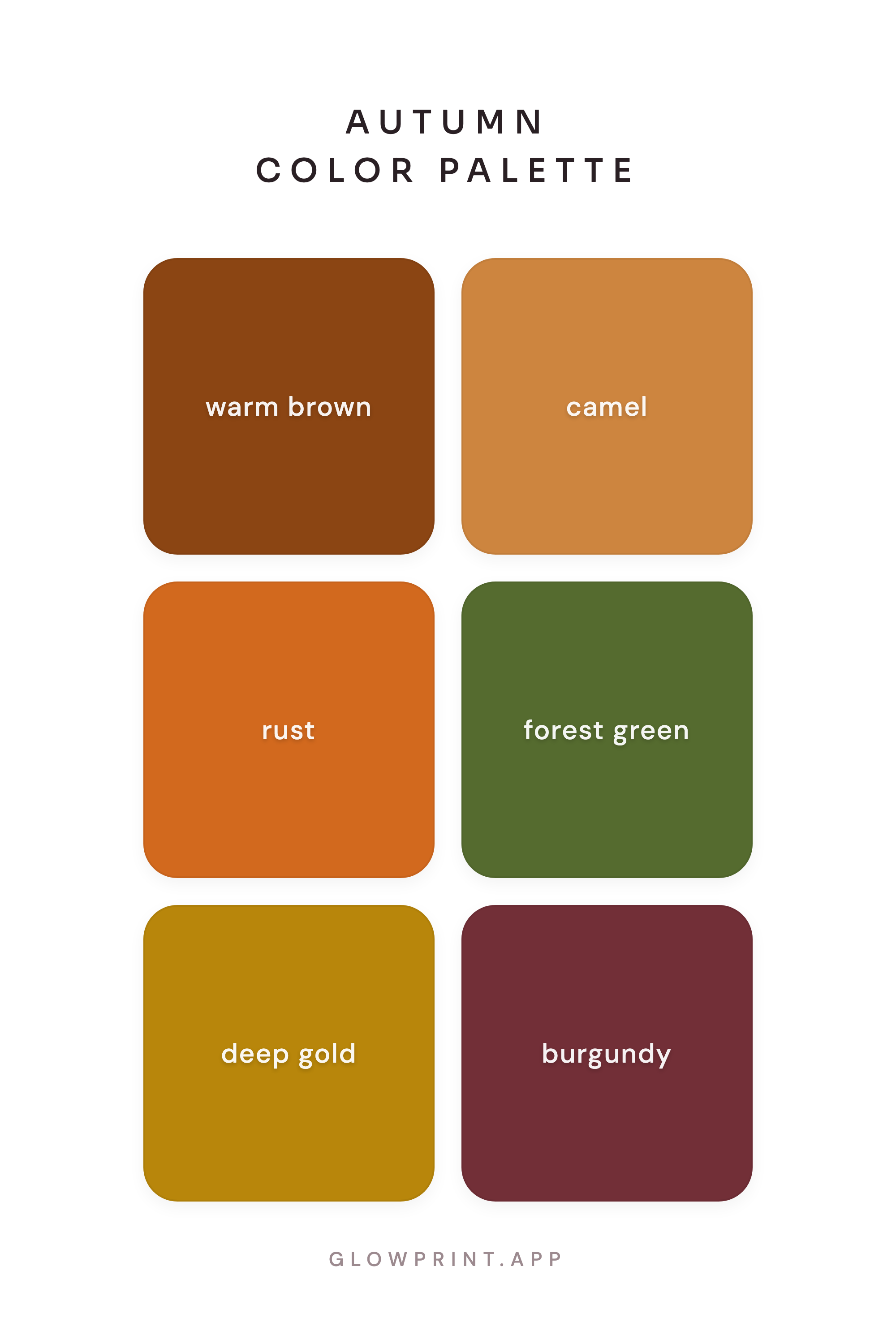
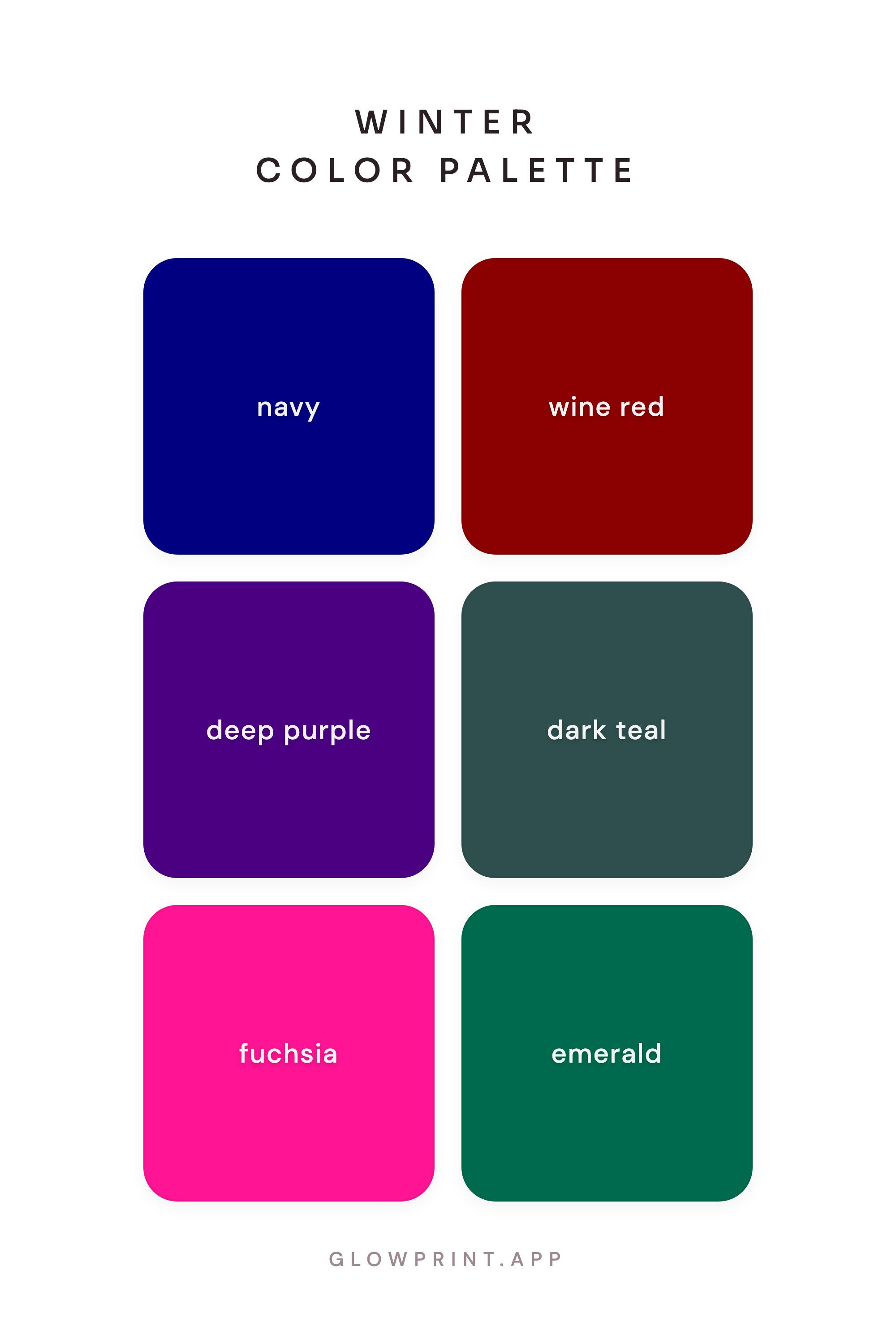
Not sure which one is yours? Glowprint reads it from a single selfie, along with your palette and the colors to skip.
Frequently asked questions
Quick answers to what people ask most. Want a definitive read on your own coloring? The free face scan gives you your season, palette, and the colors to skip in 30 seconds.
Why did color analysis blow up on TikTok?
It's visual, personal, and instantly satisfying. Draping videos show a face transform as colors change, and the result gives people a clear identity and shopping shortcut. That combination is made for short video.
Where did color analysis come from?
The seasonal system goes back to the 1980s book Color Me Beautiful and earlier art-school color theory. Korean analysis studios refined it into a precise service, which is what reignited the trend.
Is color analysis actually real or just a trend?
The underlying idea is real: undertone and contrast change how colors read on you. The trend part is the packaging. Done carefully, it genuinely makes getting dressed easier.
How do I try it without paying for a session?
You can do a rough version at home with daylight and draping. For an exact read, Glowprint runs the analysis from a selfie, so you skip the $300 in-person appointment.
Get the precise answer in 30 seconds
This guide gets you close. Glowprint scans your actual face and gives you the verified result: color season, face shape, undertone, celebrity match, makeup picks, and a full glow up plan.
Try Glowprint Free