🧪 Quiz guide
Color Analysis Quiz: What to Expect
Most online quizzes are wrong. Here's how to spot the ones worth your time.
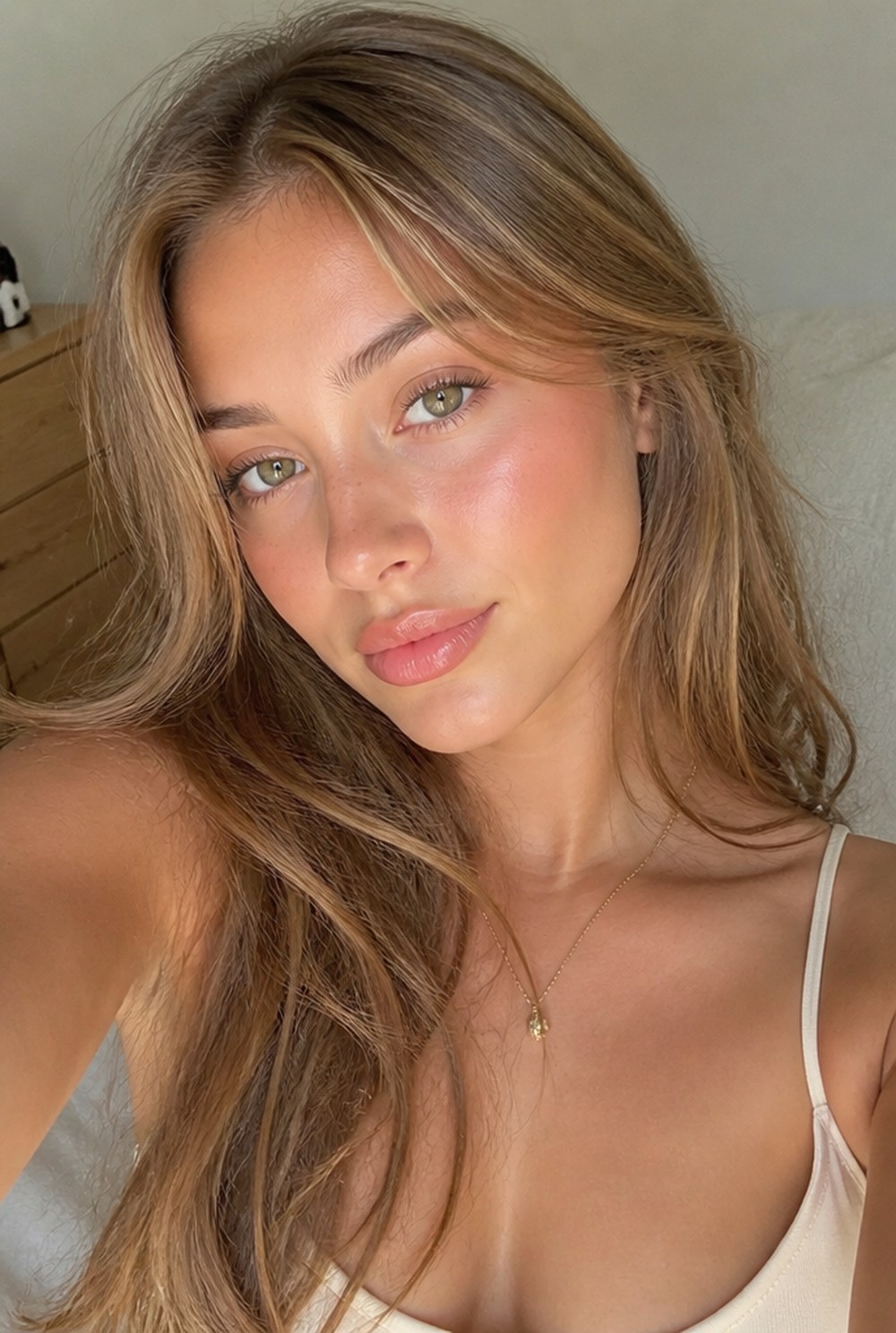
A real color analysis quiz asks about 3 things: undertone (warm/cool), value (light/deep), and chroma (bright/muted). If a quiz only asks one — like 'what's your favorite color' — it's a vibe check, not analysis. The most accurate option is a face scan, which measures from a photo instead of asking you to self-identify.
Why most quizzes are wrong
Search 'color analysis quiz' and you'll get pages of results. Here's why almost all of them miss:
Good signs
- ask 3+ specific questions about coloring (not preferences)
- cover undertone + value + chroma
- ask about your hair AND eye color (not just one)
- show you the reasoning, not just a result
Red flags
- ask "what season do you feel like?" (subjective)
- use only your favorite color or aesthetic preferences
- lock the answer behind email signup
- recommend the same season to everyone (mostly Spring)
You can't determine someone's color season from their favorite Pinterest aesthetic.
What an accurate quiz actually asks
Skin undertone
Vein color, jewelry preference, how white vs cream looks under your face. Not 'do you tan or burn' alone — that's only one data point.
Hair value
Natural color, including how dark/light it goes when it gets sun. Highlights and dye don't count.
Eye color
True color in natural light. Brown isn't 'brown' — it's golden brown vs cool brown vs deep almost-black.
Contrast level
How different are your hair, eyes, and skin from each other? High contrast = Bright. Low contrast = Muted.
That's the minimum. A great quiz also asks about lip color, eyebrow color, and how you look in pure white vs cream.
The face scan alternative
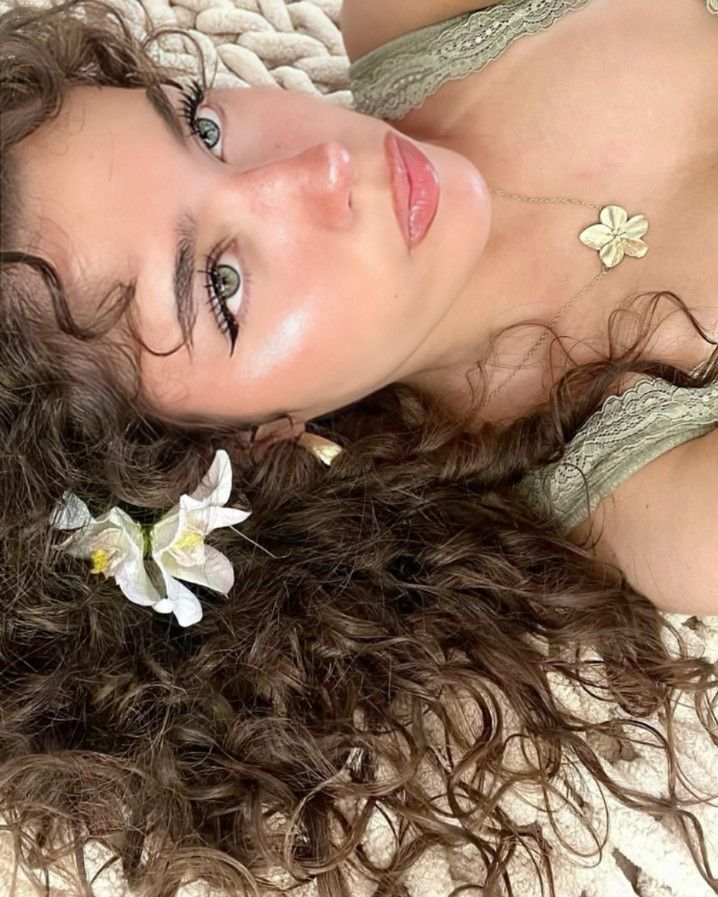
The fastest accurate option: skip the quiz entirely and let an AI scan a selfie.
The Glowprint app reads pixel-level skin tone, hair color, and eye color from your photo. It places you in 1 of 12 sub-seasons in 30 seconds.
Why this beats most quizzes:
- No self-identification bias (most people guess wrong on their own coloring)
- Measures actual color values from your photo, not opinions
- Gets you to a sub-season, not just a main season
- 30 seconds
How to take a good selfie for a color quiz or scan
Natural daylight
Stand near a window, no overhead lights. Indoor light is yellow and throws off everything.
Bare face, hair pulled back
No makeup, no filter, no Insta lighting. The scanner needs to see real skin and real hair.
Phone at eye level
Not above (washes you out) or below (adds contrast).
Plain background
White wall is ideal. No colored shirts in frame — they reflect onto your skin.
Real talk on accuracy
If your scan or quiz result doesn't match how you look in those colors, it's probably wrong. Try wearing a few colors from your supposed palette and see how you look in photos. Trust your eyes over the algorithm.
Cross-check options:
- 4 home tests (vein, jewelry, white vs cream, sun reaction)
- Quick warm-vs-cool decision flow
- All 12 sub-seasons explained
Red flags in a color analysis quiz
Not all quizzes are built the same. A few signs tell you one isn't worth your time.
It asks too little
If a quiz only asks your hair color, it can't place you. A real one weighs undertone, depth, and contrast together. Thin questions give thin answers.
It stops at four seasons
Four broad seasons leave most people close but off. A useful result names a sub-season like Soft Summer or Deep Winter. For consistency, a photo-based read beats a questionnaire, since lighting and self-judgment skew the answers.
Find your season's palette
Each season has its own set of shades that flatter you, and splits into 3 sub-seasons if you want to go deeper. Here are the four to start from.
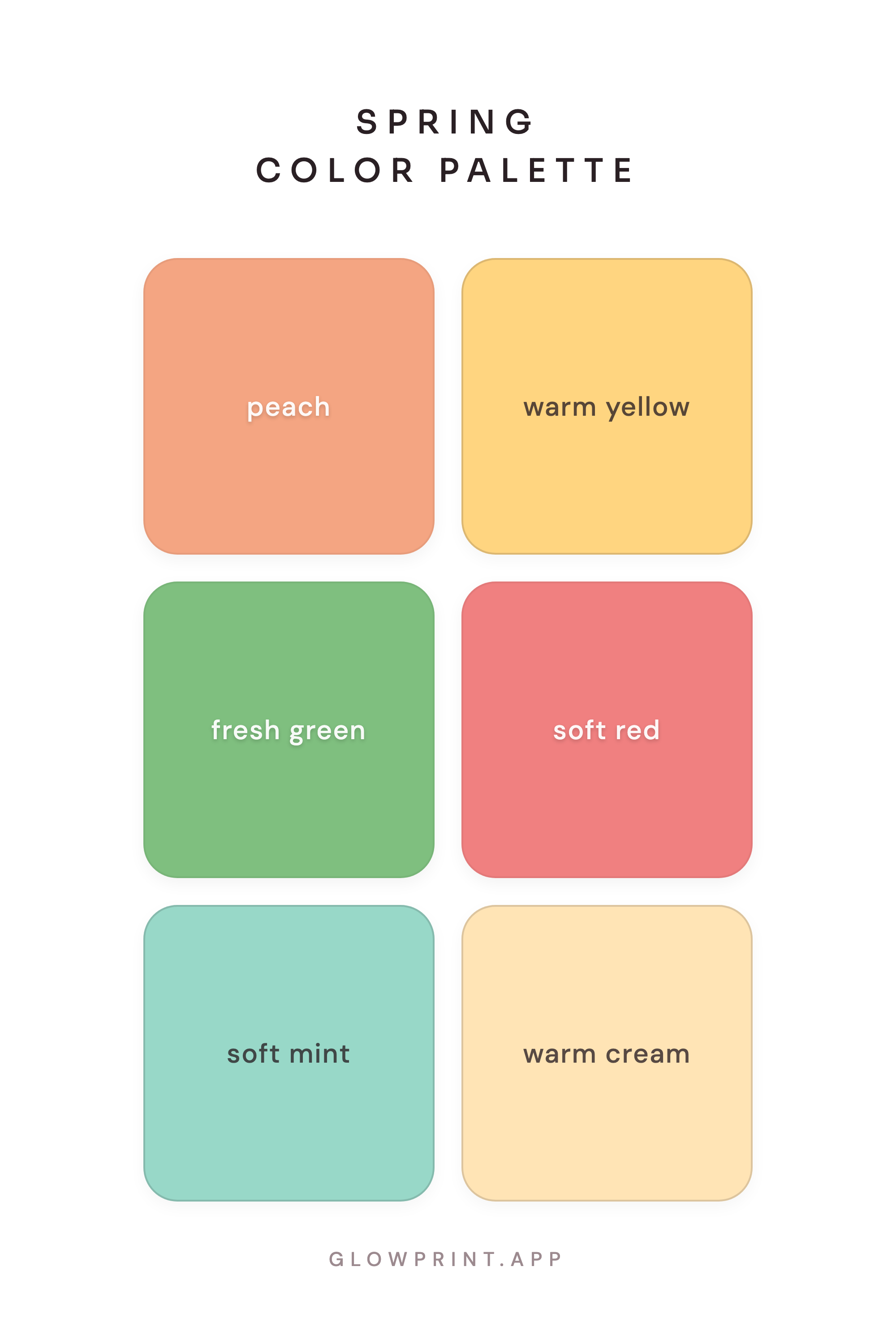
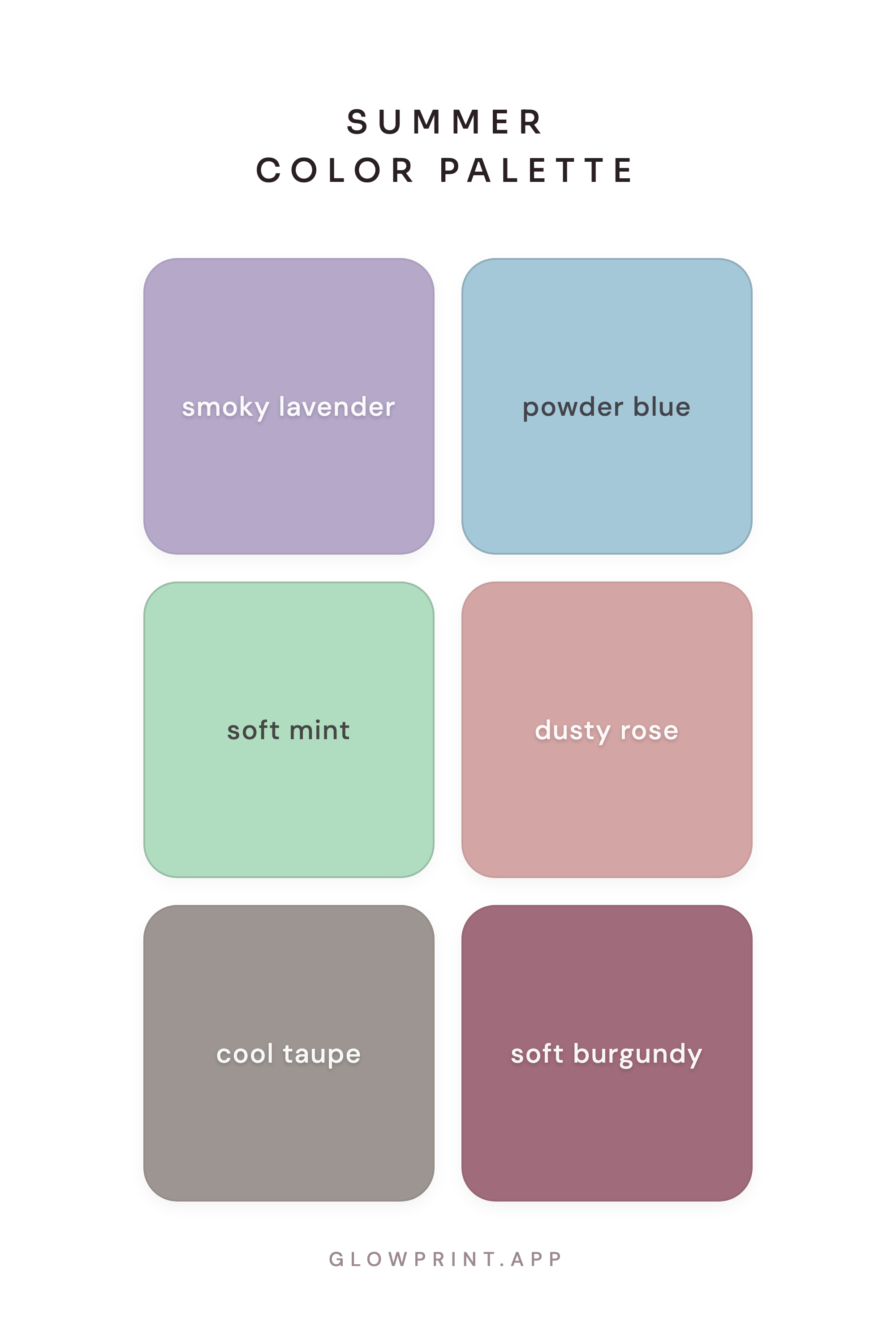
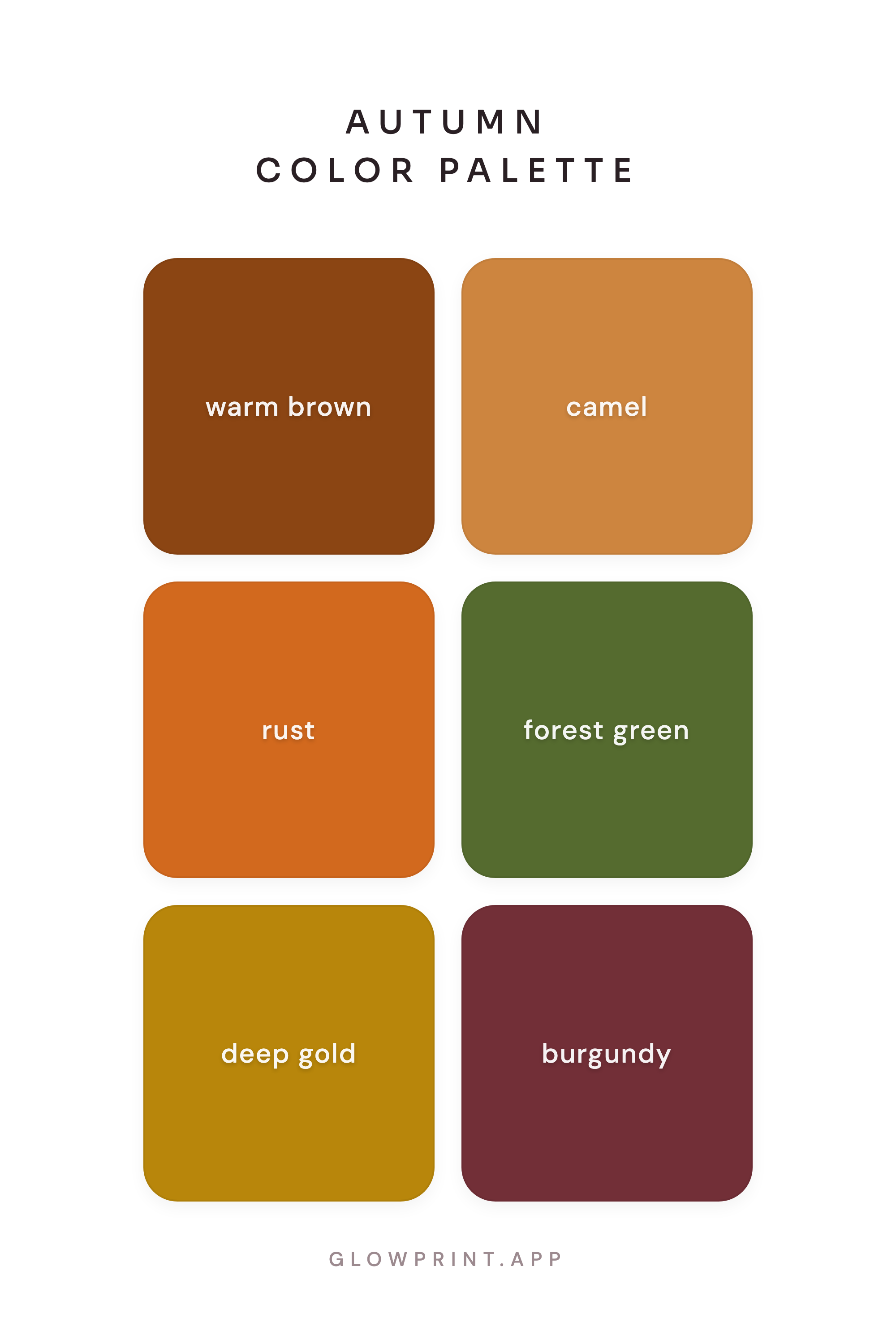
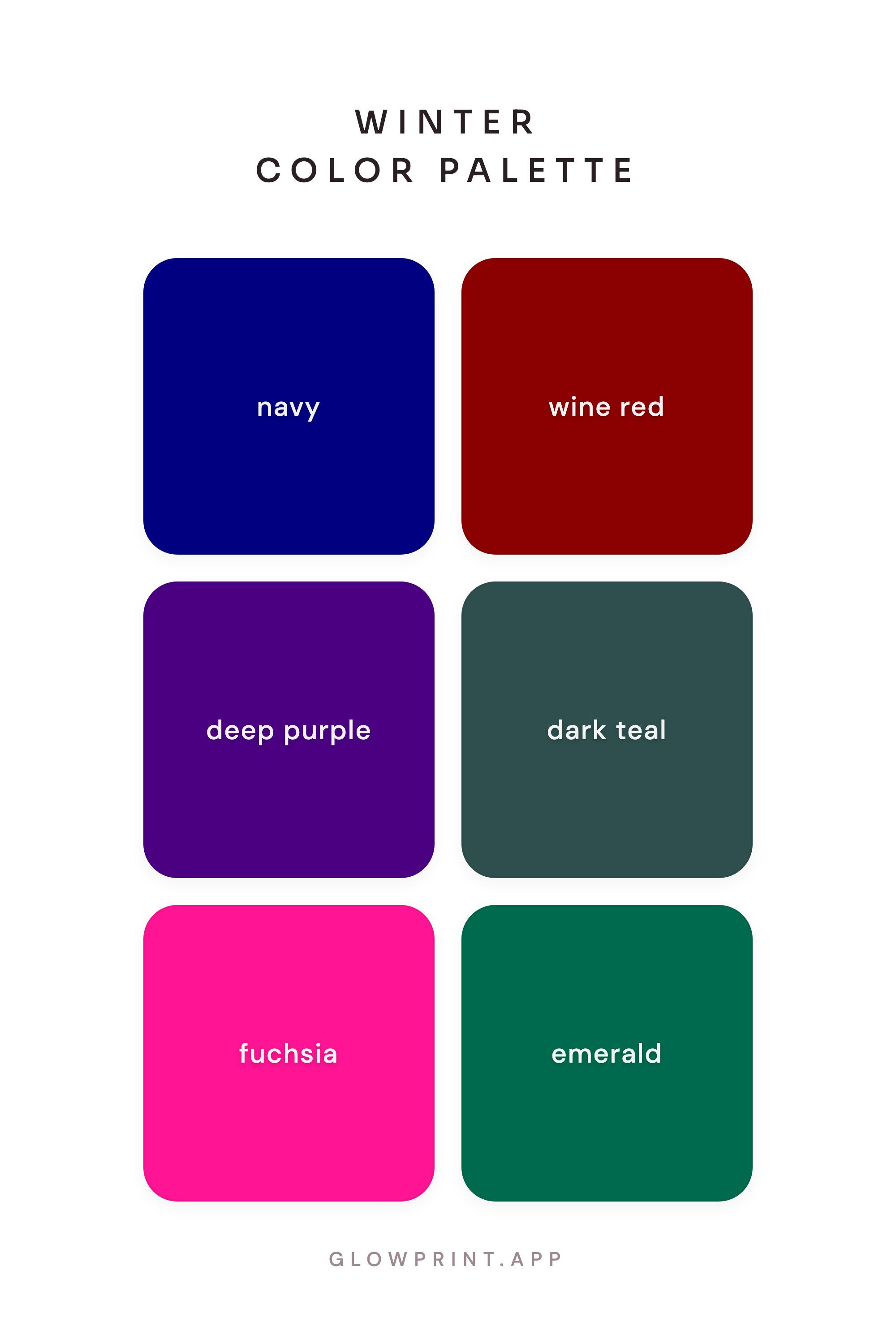
Not sure which one is yours? Glowprint reads it from a single selfie, along with your palette and the colors to skip.
Frequently asked questions
Quick answers to what people ask most. Want a definitive read on your own coloring? The free face scan gives you your season, palette, and the colors to skip in 30 seconds.
Are online color analysis quizzes accurate?
It depends. Most rely on questions you answer about yourself, which is easy to get wrong if you've never studied your undertone. The good ones combine several signals; the weak ones guess from one.
What makes a color quiz worth taking?
It should ask about undertone, depth, and contrast (not just 'what's your hair color') and give you a sub-season, not only one of four broad seasons. Vague results usually mean a shallow quiz.
Why do two quizzes give me different seasons?
Because self-reported answers are subjective and lighting skews perception. A photo-based read is more consistent than a questionnaire.
What's more reliable than a quiz?
An analysis from an actual photo of your face. Glowprint reads your real coloring from a selfie instead of asking you to judge it, so the result doesn't change with your mood.
Get the precise answer in 30 seconds
This guide gets you close. Glowprint scans your actual face and gives you the verified result: color season, face shape, undertone, celebrity match, makeup picks, and a full glow up plan.
Try Glowprint Free