✨ Color Analysis Guide
Color Analysis for Dark Skin: The 4 Common Seasons
Color analysis works on every skin tone. Here are the 4 seasons that show up most for melanin-rich skin, plus what flatters each one.

Dark skin shows up in every color season, but the 4 most common are Deep Winter, Deep Autumn, True Winter, and True Autumn. Undertone (cool vs warm) matters as much as depth. The biggest mistake is assuming all dark skin is warm and reaching for the same browns and oranges, which washes out cool-toned dark skin.
Why dark skin gets miscategorized
Most color-analysis content is built around light skin. That leaves two problems for melanin-rich skin:
- Default to "deep + warm": many guides assume all dark skin is warm-toned and only flatters earth tones. Cool-toned dark skin gets pushed into the wrong palette and looks dulled.
- Undertone visual cues miss: the standard vein test and jewelry test were written for skin where blue veins read clearly. On deeper skin, the cues look different, so people second-guess.

The system itself works fine on every skin tone. The visual cues just need translation. Below are the 4 seasons that show up most often on dark skin, with how to identify each and the colors that flatter.
How undertone shows up on dark skin
The fastest tests, adapted:
- Jewelry: hold gold and silver to your jaw in natural daylight. Whichever one disappears into your skin (looks expensive and harmonious) signals your undertone. Gold = warm. Silver = cool. Both look great = neutral.
- White t-shirt vs cream t-shirt: pure white brightens cool skin. Cream brightens warm skin. The other one looks slightly off.
- Sun reaction: warm skin tans deeper and faster. Cool skin reddens or stays the same. Neutral does both depending on exposure.
- App-based scan: scanning your face on Glowprint samples actual pixel values from your skin, so it works the same regardless of how deep your skin reads in a vein test.
Deep Winter (cool + deep)
Cool undertones, deep natural value, high contrast between skin and features. The classic "jewel tone" palette.

- Signature colors: emerald, sapphire, ruby red, true white, jet black, magenta, royal purple, icy pink.
- Avoid: dusty pastels, muted earth tones, orange-leaning browns. They drain Deep Winter skin.
- Foundation undertone: cool to neutral. Look for "cool," "rose," or "neutral deep." Skip anything labeled "golden" or "warm caramel."
- Lipstick: berry, wine, fuchsia, blue-red. Avoid coral and warm brown.
- Celebrities: Lupita Nyong'o, Naomi Campbell, Tyra Banks.
See the full Deep Winter analysis for more.
Deep Autumn (warm + deep)
Warm undertones, deep natural value, rich and saturated. The spicy, earthy palette.

- Signature colors: terracotta, burnt orange, deep olive, mustard, chocolate, copper, deep teal, burgundy.
- Avoid: pure black (too cool), icy pastels, bright blue-pink. They fight your warmth.
- Foundation undertone: warm deep. Look for "warm," "golden," "honey," or "caramel" in the shade name.
- Lipstick: brick red, warm brown, spicy nude, deep coral. Avoid cool blue-pinks.
- Celebrities: Beyoncé, Kerry Washington, Iman.
See the full Deep Autumn analysis for more.
True Winter (cool + sharp)
Pure cool undertone, medium to deep value, very high contrast. The crispest, most graphic palette.

- Signature colors: pure white, true black, ice blue, fuchsia, royal blue, cherry red, lemon yellow, bright magenta.
- Avoid: anything dusty or muted, anything warm-leaning. True Winter wants pure, saturated, cool color.
- Foundation undertone: cool. Look for "cool," "neutral cool," or "rose deep." Some True Winters can wear "neutral" if they have minimal warmth.
- Lipstick: cherry red, fuchsia, wine, icy pink. The most contrast-friendly season.
- Celebrities: Viola Davis, Zoe Saldana, Lucy Liu.
See the full True Winter analysis for more.
True Autumn (warm + rich)
Pure warm undertone, medium to deep value, golden and rich. The classic autumn palette without the depth of Deep Autumn.
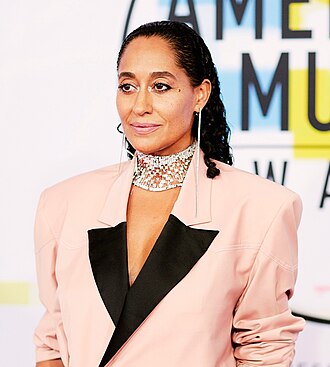
- Signature colors: pumpkin, mustard, olive, rust, camel, warm brown, teal, tomato red, mossy green.
- Avoid: pure black, icy pastels, blue-pinks. The palette is all warm with rich saturation.
- Foundation undertone: warm. "Golden," "warm tan," "honey," or "caramel" shades match.
- Lipstick: brick, warm brown, spicy red, golden coral. Avoid cool pinks and blue-reds.
- Celebrities: Rihanna (often classified here), Yara Shahidi, Tracee Ellis Ross.
See the full True Autumn analysis for more.
Other seasons that can work on dark skin
The 4 above are the most common, but they are not the only options. Depending on your specific undertone and contrast level:
- Bright Winter (cool + very bright): for dark skin with high feature contrast. Bold neons, electric blue, hot pink.
- Bright Spring (warm + bright): warm-toned dark skin with very clear, bright eyes. Coral, turquoise, golden yellow.
- Soft Autumn (warm-neutral + muted): less common but real for warm-neutral dark skin with low contrast. Dusty olive, muted terracotta, warm taupe.
- Soft Summer (cool-neutral + muted): cool-neutral dark skin with low contrast. Dusty rose, soft teal, muted mauve.
If none of the 4 main seasons feel right, you may be a sub-season. Scan your face on Glowprint for an exact answer in 30 seconds.
Common pitfalls
- Defaulting to brown and earth tones: there is nothing wrong with these colors, but they are not the only ones that work. Cool-toned dark skin lights up in jewel tones (sapphire, emerald, ruby) and looks dulled in beige and taupe.
- Buying foundation in cool store light: store lighting blue-shifts everything. Test by the door or outside in daylight.
- Skipping SPF: dark skin has more melanin protection but still needs SPF 30+ daily. Skin cancer rates on dark skin are lower but outcomes are often worse, partly because of late detection.
- Trusting the vein test alone: vein color can read ambiguous on deeper skin. Use jewelry test, white vs cream comparison, and sun reaction together.
- Picking blush in the wrong undertone: warm cheek tones (brick, terracotta) on cool dark skin look muddy. Cool cheek tones (berry, wine, plum) on warm dark skin look off. Always match blush to undertone, not just to depth.
Color analysis for dark skin FAQ
The most common questions about color analysis on melanin-rich skin, answered in the context of undertone and depth rather than generic advice written for light skin.
Does color analysis actually work on dark skin?
Yes, color analysis works on every skin tone. The system sorts by undertone (warm or cool or neutral), depth (light to deep), and chroma (soft or bright). Dark skin can land in any of the 12 seasons. The 4 most common are Deep Winter, Deep Autumn, True Winter, and True Autumn, but Bright Winter, Bright Spring, and the Soft seasons all show up too.
Is every dark-skinned person an Autumn or Winter?
Most dark-skinned people fall into Autumn or Winter because those season families include the deeper natural values. But not every dark-skinned person is warm-toned (Autumn) or cool-toned (Winter). Some are Bright Spring or Soft Autumn or Soft Summer. Depth and undertone are independent variables, so dark skin can be cool, warm, or neutral.
How do I tell if I'm Deep Winter or Deep Autumn?
Deep Winter has a cool undertone and lights up in pure black, icy pastels, jewel tones (sapphire, emerald, ruby), and pure white. Deep Autumn has a warm undertone and lights up in terracotta, mustard, olive, chocolate, and warm brown. If pure black looks sharper on you than chocolate, you are likely Deep Winter. If chocolate looks richer than pure black, you are likely Deep Autumn.
What foundation undertone do I need for dark skin?
Match foundation undertone to your skin undertone, not just to depth. Cool-toned dark skin needs cool, neutral cool, or rose foundation shades. Warm-toned dark skin needs warm, golden, honey, or caramel shades. Neutral undertones can wear neutral or pull from either side. Testing in natural daylight is the only reliable way to confirm.
Why does mainstream color analysis content default to "all dark skin is warm"?
Most color-analysis content was originally written around light skin and then extrapolated. The shortcut treats dark skin as a single category and assumes warm undertone, which oversimplifies the actual range. Color analysis as a system handles every undertone equally well. The content around it is catching up.
What's the fastest way to find my exact season?
Take the at-home tests (jewelry, white vs cream, sun reaction) to get to a working hypothesis, then scan your face on Glowprint to confirm. The app samples actual skin pixel values, which means it works the same on every skin tone without relying on vein-test cues that can read ambiguous on deeper skin.